
What is the difference between a domestic and a catering induction hob?
Aug 27, 2026
Leave a message
Yo, folks! As a supplier of Catering Induction Hobs, I get asked a ton about the differences between domestic and catering induction hobs. So, I thought I'd break it down for you in this blog post.
Power and Performance
First off, let's talk power. Domestic induction hobs are usually designed for home use, where you're cooking for a small family or a few friends. They typically have lower power outputs, often ranging from 1.8kW to 3.7kW. This is enough for everyday cooking tasks like boiling water, frying an egg, or simmering a sauce.
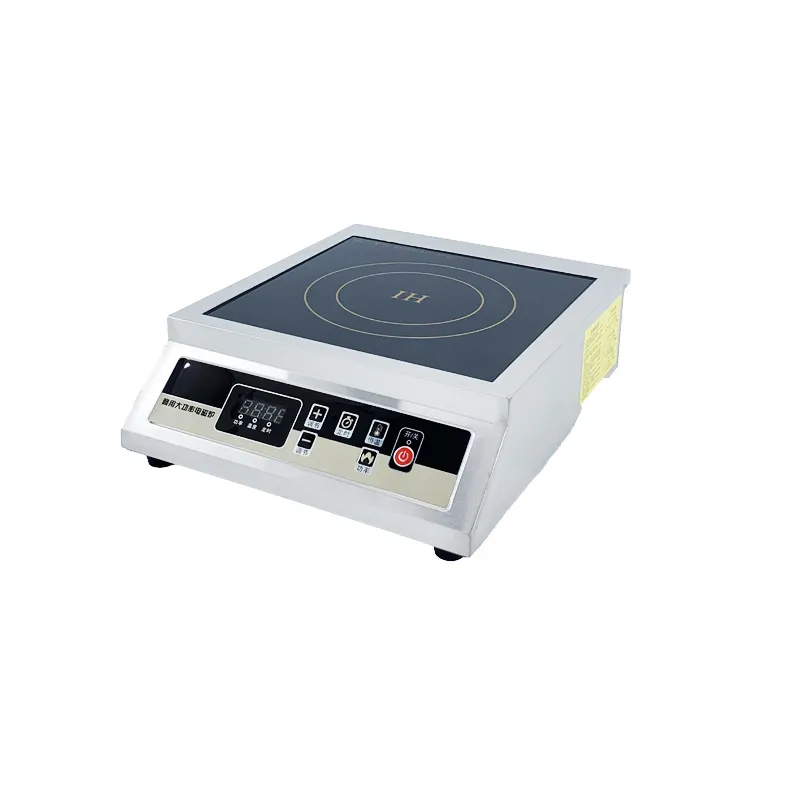
On the other hand, catering induction hobs are built for commercial kitchens, where you need to cook large quantities of food quickly. They have much higher power outputs, with some models reaching up to 36kW! This high power allows chefs to bring large pots of water to a boil in minutes and sear steaks at high temperatures. For example, if you're running a busy restaurant and need to cook multiple dishes simultaneously, a High Power Induction Burner is a must-have.
Durability and Build Quality
Domestic induction hobs are made with the average home user in mind. They're designed to be relatively lightweight and easy to install. The materials used are usually good enough for regular home cooking, but they may not withstand the heavy use of a commercial kitchen.
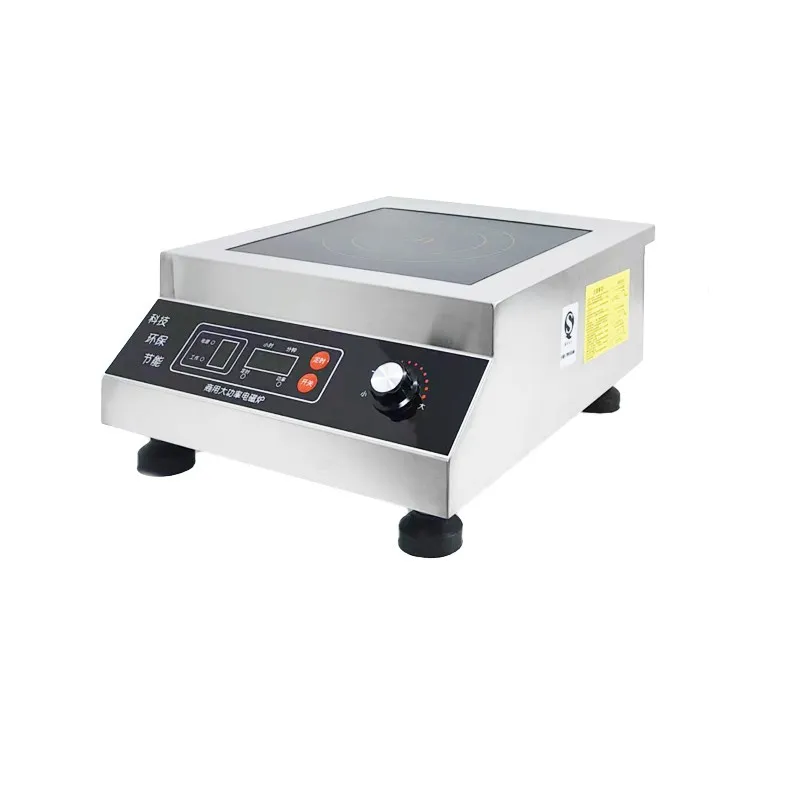
Catering induction hobs, however, are built like tanks. They're made from heavy-duty materials that can handle the rigors of a professional kitchen. The casing is often made of stainless steel, which is resistant to scratches, dents, and corrosion. The controls are also more robust, able to withstand frequent use and harsh cleaning. If you're looking for a durable option, check out our Catering Induction Hob.
Features and Functionality
Domestic induction hobs usually come with basic features like temperature control, timer, and child lock. These features are sufficient for most home cooks.
Catering induction hobs, on the other hand, are packed with advanced features. They may have multiple cooking zones, allowing you to cook different dishes at different temperatures simultaneously. Some models also come with programmable settings, so you can save your favorite cooking profiles. For example, if you always cook pasta at a certain temperature and time, you can program the hob to do it automatically. And if you need the highest power possible, take a look at our Highest Watt Induction Cooktop.
Price
As you might expect, catering induction hobs are generally more expensive than domestic ones. This is because of their higher power, durability, and advanced features. However, when you consider the long-term benefits, such as increased productivity and lower energy costs, the investment can be well worth it for a commercial kitchen.
Safety
Both domestic and catering induction hobs are generally safe to use. They use electromagnetic fields to heat the cookware directly, which means the hob surface itself doesn't get as hot as a traditional gas or electric stove. This reduces the risk of burns and fires.
However, catering induction hobs often have additional safety features. For example, they may have a built-in overheat protection system that automatically shuts off the hob if it gets too hot. They may also have a residual heat indicator, which lets you know when the hob is still hot even after it's been turned off.
Energy Efficiency
Induction hobs are known for their energy efficiency, and this is true for both domestic and catering models. They transfer heat directly to the cookware, which means less energy is wasted. However, catering induction hobs can be even more energy-efficient because of their high power. They can cook food faster, which means less time spent using energy.
Maintenance
Domestic induction hobs are relatively easy to maintain. You just need to wipe them down with a damp cloth after each use.
Catering induction hobs, however, require more regular maintenance. They need to be cleaned more thoroughly to remove grease and food debris. It's also important to have them serviced regularly to ensure they're working properly.
Conclusion
In conclusion, the main differences between domestic and catering induction hobs lie in their power, durability, features, price, safety, energy efficiency, and maintenance. If you're a home cook, a domestic induction hob is probably all you need. But if you're running a commercial kitchen, a catering induction hob is a much better choice.
If you're interested in purchasing a catering induction hob, I'd love to have a chat with you. We can discuss your specific needs and find the perfect solution for your kitchen. Whether you're a small café or a large restaurant, we have the products and expertise to help you succeed. Don't hesitate to reach out and start the conversation!
References
- General knowledge about induction hobs from industry experience.
- Product specifications and features from our own product lines.
Send Inquiry