
What is the power consumption of a bar water dispenser?
Jul 28, 2026
Leave a message
Power consumption is a crucial factor to consider when choosing a bar water dispenser. As a supplier of bar water dispensers, I understand the significance of this aspect for both businesses and consumers. In this blog post, I will delve into the power consumption of bar water dispensers, exploring the factors that influence it and providing insights to help you make an informed decision.
Understanding Power Consumption
Power consumption refers to the amount of electrical energy used by a device over a specific period. For bar water dispensers, it is typically measured in kilowatt-hours (kWh). The power consumption of a bar water dispenser depends on several factors, including its type, size, features, and usage patterns.

Types of Bar Water Dispensers and Their Power Consumption
There are several types of bar water dispensers available in the market, each with its own power consumption characteristics. Let's take a closer look at some common types:
Wall Mounted Boiling Water Unit
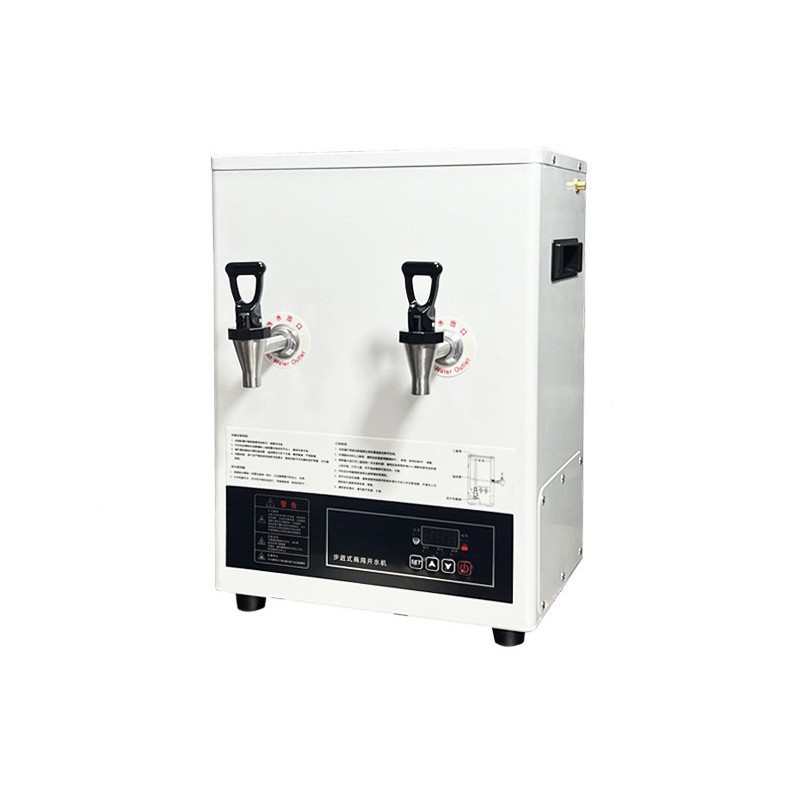
A Wall Mounted Boiling Water Unit is designed to provide instant hot water. These units are often used in commercial settings such as bars, cafes, and restaurants. They typically have a high power rating to heat water quickly. The power consumption of a wall-mounted boiling water unit can range from 2 to 6 kilowatts (kW), depending on the size and capacity of the unit.
Intelligent Stepping Heater Hot Water Boiler
An Intelligent Stepping Heater Hot Water Boiler is a more advanced type of water dispenser that uses a stepping heating technology to heat water efficiently. These units are designed to maintain a constant temperature and provide hot water on demand. The power consumption of an intelligent stepping heater hot water boiler can vary depending on the size and capacity of the unit, but it is generally lower than that of a traditional boiling water unit.
Counter Top Hot and Cold Water Dispenser
A Counter Top Hot and Cold Water Dispenser is a popular choice for home and office use. These units typically have a lower power rating compared to wall-mounted boiling water units and intelligent stepping heater hot water boilers. The power consumption of a counter top hot and cold water dispenser can range from 0.5 to 2 kW, depending on the size and features of the unit.
Factors Affecting Power Consumption
In addition to the type of bar water dispenser, several other factors can affect its power consumption. These include:
Usage Patterns
The frequency and duration of use can significantly impact the power consumption of a bar water dispenser. If the dispenser is used frequently throughout the day, it will consume more energy compared to a dispenser that is used less often.
Water Temperature
The temperature at which the water is heated also affects power consumption. Heating water to a higher temperature requires more energy than heating it to a lower temperature. Therefore, if you need hot water at a higher temperature, the dispenser will consume more power.
Insulation
The insulation of the water dispenser plays a crucial role in reducing power consumption. A well-insulated dispenser will retain heat better, reducing the need for the heater to run continuously. This can result in significant energy savings over time.
Energy Efficiency Ratings
When choosing a bar water dispenser, it is important to consider its energy efficiency rating. Energy-efficient models are designed to consume less energy while still providing the same level of performance. Look for dispensers with a high Energy Star rating, as these models are more likely to be energy-efficient.
Tips to Reduce Power Consumption
Here are some tips to help you reduce the power consumption of your bar water dispenser:
Use the Right Size
Choose a bar water dispenser that is appropriate for your needs. A larger dispenser may consume more energy if it is not fully utilized. Consider the number of people who will be using the dispenser and the amount of water they will need.
Set the Temperature Appropriately
Adjust the temperature of the water dispenser to the lowest setting that meets your needs. Heating water to a higher temperature than necessary will consume more energy.
Turn Off the Dispenser When Not in Use
If the dispenser is not being used for an extended period, turn it off to save energy. This is especially important for dispensers with a high power rating.
Maintain the Dispenser Regularly
Regular maintenance of the water dispenser can help ensure that it is operating efficiently. This includes cleaning the dispenser, replacing filters, and checking for any leaks or malfunctions.
Conclusion
Power consumption is an important consideration when choosing a bar water dispenser. By understanding the factors that influence power consumption and following the tips provided, you can choose a dispenser that is energy-efficient and cost-effective. As a supplier of bar water dispensers, I am committed to providing high-quality products that meet the needs of our customers. If you are interested in purchasing a bar water dispenser or have any questions about power consumption, please feel free to contact us for more information. We look forward to helping you find the perfect solution for your bar or business.
References
- "Energy Efficiency in Water Dispensers." Energy Star. Accessed [Date].
- "How to Reduce Energy Consumption in Your Bar." Hospitality Net. Accessed [Date].
- "The Importance of Insulation in Water Dispensers." Plumbing Supply Online. Accessed [Date].
Send Inquiry