
What is the safety rating of catering induction hobs?
Aug 14, 2026
Leave a message
As a seasoned supplier of Catering Induction Hobs, I've witnessed firsthand the growing demand for these innovative cooking solutions in the commercial kitchen industry. One of the most common questions I encounter from potential customers is about the safety rating of catering induction hobs. In this blog post, I'll delve into the safety aspects of these hobs, exploring what makes them a reliable and secure choice for commercial kitchens.
Understanding Induction Technology
Before we discuss safety ratings, it's essential to understand how induction hobs work. Induction cooking uses electromagnetic fields to directly heat the cookware, rather than heating the hob surface. When an induction-compatible pan is placed on the hob, the magnetic field causes the molecules in the pan to vibrate, generating heat. This method of cooking is not only highly efficient but also offers several safety benefits.
Safety Features of Catering Induction Hobs
1. Cool Surface
Unlike traditional gas or electric hobs, induction hobs remain relatively cool to the touch. The heat is generated directly in the cookware, so the hob surface only gets warm from the heat radiating off the pan. This significantly reduces the risk of burns, especially in a busy commercial kitchen environment where accidental contact with the hob is more likely.
2. Automatic Shut - off
Most catering induction hobs are equipped with automatic shut - off features. If a pan is removed from the hob or if the hob detects an overheating situation, it will automatically turn off. This prevents the risk of fires caused by unattended cooking or overheating.
3. Child - Lock Function
Many models come with a child - lock function. This is particularly important in commercial kitchens where there may be young staff or visitors. The child - lock feature ensures that the hob cannot be accidentally turned on, adding an extra layer of safety.
4. Over - current and Over - voltage Protection
Catering induction hobs are designed with over - current and over - voltage protection. These features safeguard the hob from electrical malfunctions, reducing the risk of electrical fires and damage to the equipment.
Safety Ratings and Standards
In the commercial kitchen industry, safety ratings are crucial. Catering induction hobs are typically tested and certified to meet various international safety standards. Some of the common standards include:
CE Certification
The CE (Conformité Européene) mark indicates that the product meets the health, safety, and environmental protection requirements set by the European Union. A catering induction hob with a CE mark has undergone rigorous testing to ensure its safety and compliance with EU regulations.
UL Certification
UL (Underwriters Laboratories) is a well - known safety certification organization in the United States. Hobs with UL certification have been tested to meet specific safety standards, providing assurance to customers in the US market.
Comparing with Traditional Cooking Methods
When compared to traditional gas and electric hobs, catering induction hobs offer superior safety. Gas hobs pose a risk of gas leaks, which can lead to explosions or fires. They also produce open flames, which can be a hazard in a busy kitchen. Electric hobs, on the other hand, have heating elements that can remain hot for a long time after use, increasing the risk of burns.
Induction hobs eliminate these risks. The lack of open flames and the relatively cool surface make them a much safer option for commercial kitchens.
High - Performance Induction Hobs
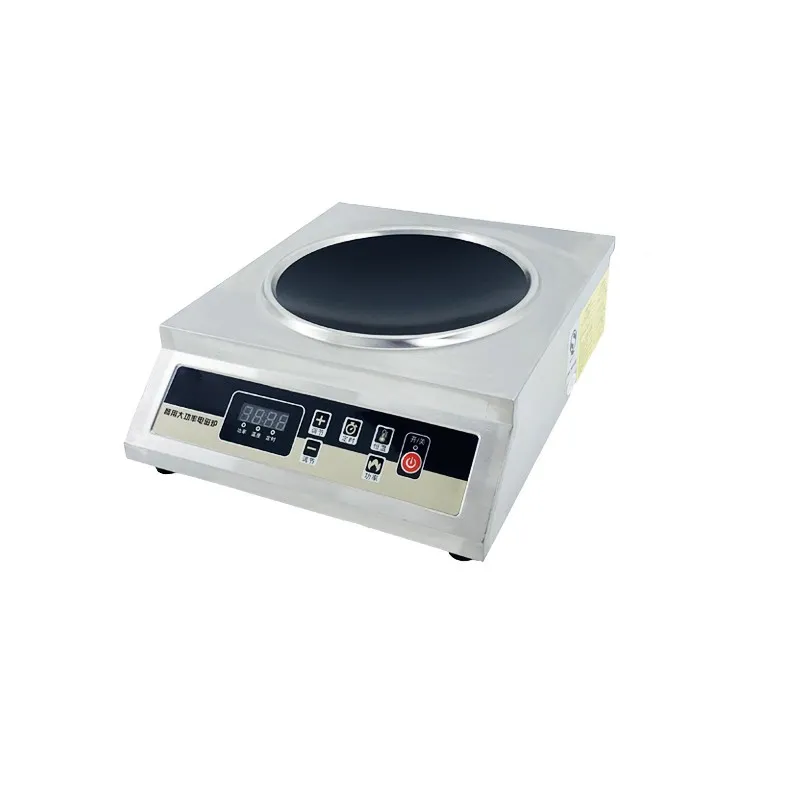
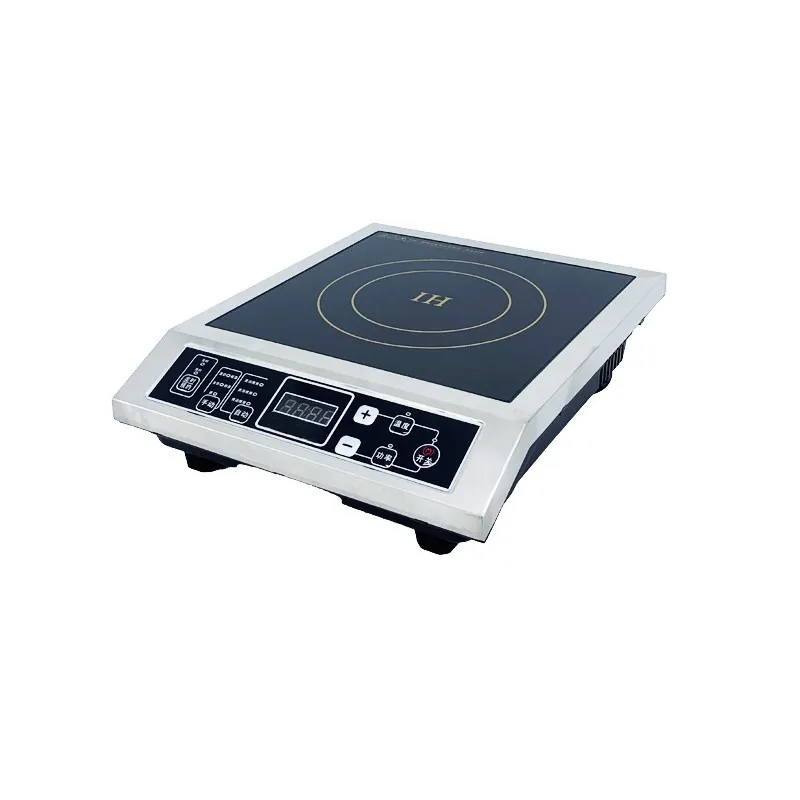
In addition to safety, catering induction hobs also offer high performance. Our company offers a range of products, including the Highest Watt Induction Cooktop, which provides powerful and efficient cooking. The Catering Induction Hob is designed specifically for commercial use, with features such as multiple cooking zones and precise temperature control. We also have the High Power Induction Burner, which is ideal for high - volume cooking.
Importance of Safety in Commercial Kitchens
Safety is of utmost importance in commercial kitchens. A single accident can not only cause injury to staff but also lead to costly property damage and business disruptions. By choosing a catering induction hob with a high safety rating, restaurant owners and chefs can ensure a safe working environment for their staff and protect their business.
Conclusion
In conclusion, catering induction hobs offer a high level of safety, thanks to their advanced features and compliance with international safety standards. They are a reliable and efficient choice for commercial kitchens, providing a safer alternative to traditional cooking methods.
If you're in the market for a catering induction hob, I encourage you to explore our range of products. We are committed to providing high - quality, safe, and efficient cooking solutions for commercial kitchens. Contact us to discuss your specific needs and start a procurement negotiation.
References
- International Electrotechnical Commission (IEC) standards on induction cooking appliances.
- European Union directives on safety requirements for electrical appliances.
- Underwriters Laboratories (UL) standards for commercial cooking equipment.
Send Inquiry